

As older adults strive to age in place and maintain independence, financial fraud has quietly become one of the most serious threats to their well-being. According to the Consumer Financial Protection Bureau, seniors lose billions of dollars every year to scams, fraud, and exploitation–often without realizing it until it”‘s too late.
Let”‘s take a closer look at why older adults are more vulnerable, and how our approach empowers them while reducing their risk.
Why Older Adults Are More Vulnerable to Financial Fraud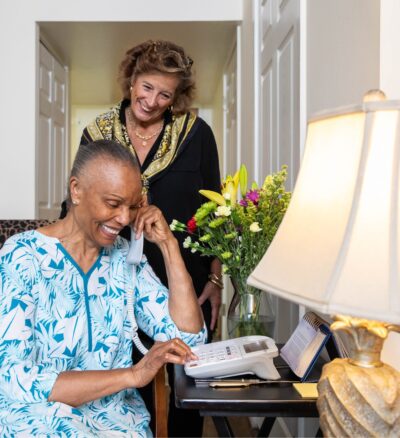
Fraudsters often see older adults as easy targets. Here’s why:
- They Control More Assets – Older Americans tend to hold a significant portion of personal wealth–retirement accounts, pensions, savings, and home equity. This makes them prime targets.
- They May Be Isolated – Seniors who live alone or don”‘t have regular contact with family are less likely to have someone notice financial irregularities or changes in behavior.
- They”‘re Often More Trusting – Raised in a different era, many older adults are less skeptical of unsolicited phone calls, emails, or people posing as officials.
- Cognitive Decline Can Happen Gradually – Even high-functioning older adults may begin to forget, overlook, or misinterpret financial details–making them more susceptible to deception.
- Scammers Are Getting Smarter – From fake charities and tech support hoaxes to government impersonators and phishing attacks, today”‘s fraudsters are coordinated, convincing, and well-equipped. Many now use AI-generated voices to mimic a loved one in distress–a technique that”‘s particularly alarming. A scammer might clone a grandchild”‘s voice and leave a voicemail asking for urgent money, knowing the recipient is unlikely to verify the message. These techniques make scams more personal, more believable–and more dangerous.
- They”‘re Not Always Tech-Savvy – Scammers often use digital tools to deceive. Seniors may not recognize fake websites, phishing emails, or suspicious text messages.
Common Types of Financial Exploitation
Understanding the tactics scammers use can help in prevention. Some of the most common include:
- Tech Support Scams – A fake pop-up tells the person to call a number where a “tech” takes control of their computer and drains their accounts.
- Government Impersonation – Fraudsters pretend to be from the IRS or Social Security and demand immediate payment.
- Fake Charities or Lotteries – Scammers trick older adults into sending money for nonexistent causes or prizes.
- Account Takeovers – Small, unnoticeable charges test whether an account is vulnerable before draining larger amounts.
- “Friendly Fraud” – Sometimes the perpetrator is someone the person knows–like a caregiver or even a family member.
The Importance of Oversight–Without Taking Over
One of the most misunderstood aspects of helping older adults is the belief that if someone needs help with money, they must give up control completely.
In reality, there is a middle ground between independence and incapacity: supportive, financial oversight.
What Supportive Oversight Looks Like:
- Regular check-ins on bank and credit card activity
- Oversight of bills, deposits, and recurring expenses
- Noticing patterns or red flags early
- Confirming suspicious account transactions with the older adult
- Reviewing skeptical emails, texts, or voicemails
- Helping coordinate changes if fraud is detected
- Respecting autonomy while offering peace of mind
When Is It Time to Step In?
Many families hesitate to intervene until a major event occurs–like a fall, hospitalization, or clear signs of dementia. But the reality is, fraud and financial mismanagement can happen quietly and early.
Here are signs it may be time to offer support:
- Unpaid bills despite having funds
- Duplicate payments
- New or unfamiliar charges
- Confusion about account balances
- Excessive withdrawals
- Trouble remembering recent purchases or payments
Early intervention doesn”‘t have to mean handing over control. It can be as simple as having a trusted person help review accounts or manage a secure spreadsheet of transactions.
Best Practices to Protect Loved Ones from Fraud
If you”‘re caring for–or advising–a senior, these steps can reduce risk:
- Set Up Alerts – Bank and credit card alerts can notify both the account holder and a trusted contact about unusual activity.
- Simplify Accounts – Reduce the number of open accounts to make monitoring easier and reduce points of entry for scammers.
- Review Regularly – Monthly reviews of accounts can help catch fraud early and give peace of mind to both the senior and their family.
- Educate and Talk Openly –Normalize conversations about scams. The more informed older adults are, the more confident they”‘ll be in recognizing red flags.
- Ensure Passwords are Strong – Use a combination of uppercase, lowercase, numbers, and symbols, avoiding personal information and duplicating passwords.
- Bring in a Professional – Consider a service like Secure Services for the Future from Life Managers & Associates–designed to provide confidential, respectful support before full financial management is necessary.
Support that Respects Independence
At Life Managers & Associates, we work through the lens of aging in place. That means our job is to support, not replace. We help seniors maintain their independence by managing the behind-the-scenes financial and administrative tasks that can otherwise create risk or stress.
Our clients don”‘t give up control–they gain confidence.
We encourage you to also read a Case Study: “$8,000 in Fraud Stopped Just in Time“ and download our Fraud Prevention Checklist for Older Adults